Zaonezhye: villages and mainland history around Kizhi
Looking beyond the famous island to Lake Onega’s wider cultural landscape.
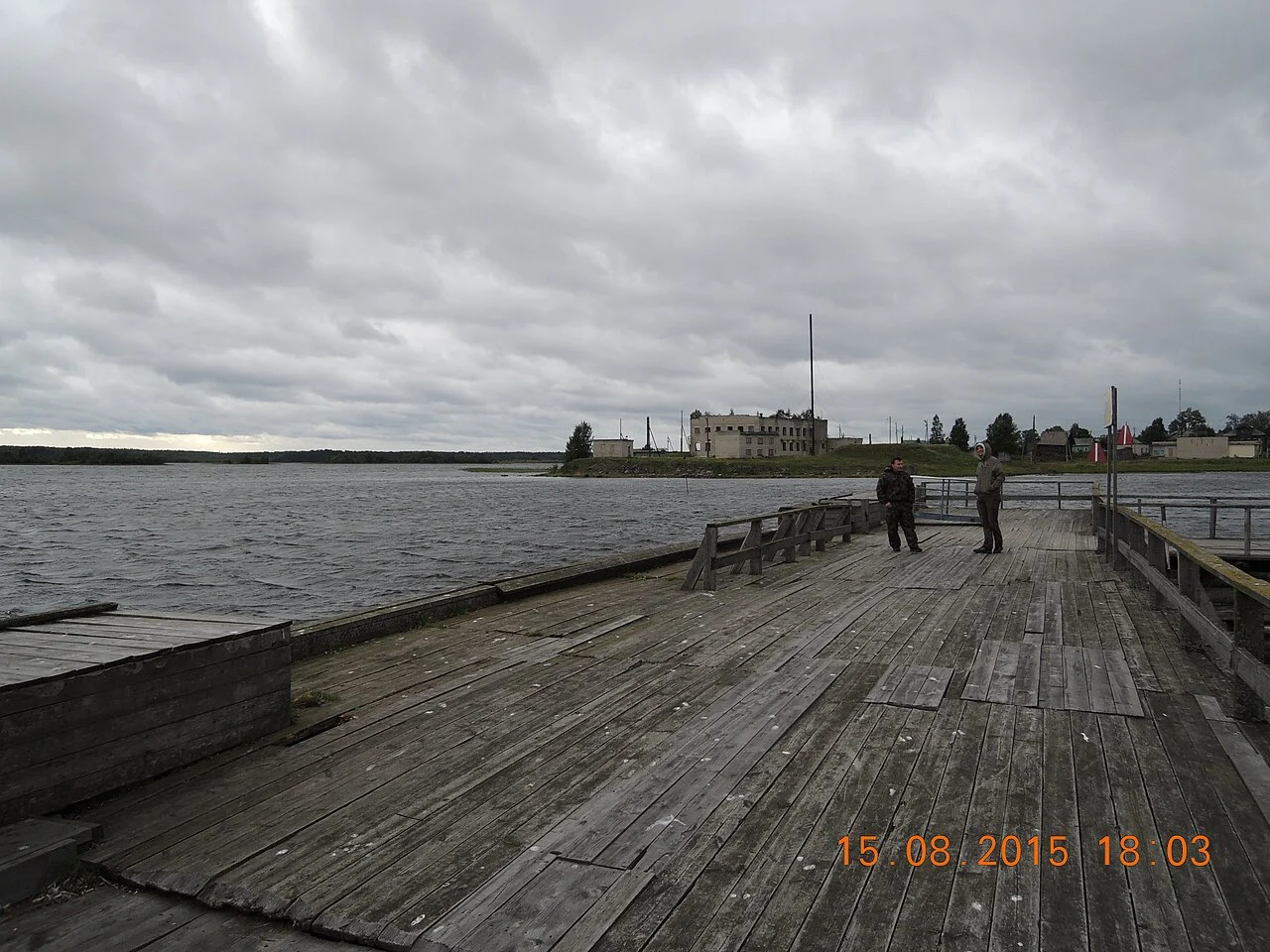
Island and mainland
Kizhi introduces wooden architecture, but the surrounding region’s history extends beyond the island exhibition. Zaonezhye connects houses, work, water and routes between settlements. A mainland journey provides a different scale: distances, shores and everyday surroundings become part of the story alongside individual monuments.
Medvezhyegorsk and Velikaya Guba
Medvezhyegorsk provides orientation near the northern end of Lake Onega, while Velikaya Guba is associated with the southern Zaonezhye peninsula. This is a geographical framework rather than a promise of a short transfer. Road distances and access to the chosen village matter more than apparent proximity on an overview map.
Villages and wooden architecture
Notice the arrangement of houses, working buildings and their relationship with the shore. Not every historic building is open, and some are known only from archives. Distinguish a surviving monument from a historic site. Dated, clearly captioned photographs help explain what survives and how the landscape has changed.
A Kizhi crossing needs its own plan
The museum has published programmes through Velikaya Guba with onward travel to Kizhi. Archived prices and times do not establish current services. Identify the actual departure point and operator, confirm your return and allow for weather. A mainland visit can stand on its own without an island crossing.
Related Places
Kizhi Island
An island on Lake Onega with the famous wooden architectural ensemble.
CityMedvezhyegorsk
A city at the northern tip of Lake Onega.
Sources and verification
Sources checked: . Check the applicable conditions before travelling.